Unfiltered and Unchecked
This week I was publicly embarrassed. The kind of shaming that makes you take a deep breath before you leave your house—half expecting to be flogged on your own sidewalk. It was a thing that happened a couple of years ago—repositioned as a present grievance.
So it caught me off guard.
I will say this. I grew up a preacher’s daughter in the evangelical south. I am no stranger to public shaming. It’s one of the many reasons I believe in active counseling as part of our health and wellness practices. It’s also probably how I’ve managed to navigate my own self-flagellation over the past few days.
But this moment sent me down a different line of thinking.
What is the purpose of shame? Is it all bad? Why is it—especially when it comes from strangers—so heavy it can bring your life to a halt?
Because here’s what I experienced:
Shame showed up with both a positive and negative impact in the same moment. And it forced me to face a harder truth about myself.
My shame: an unfiltered, unchecked mama bear moment.
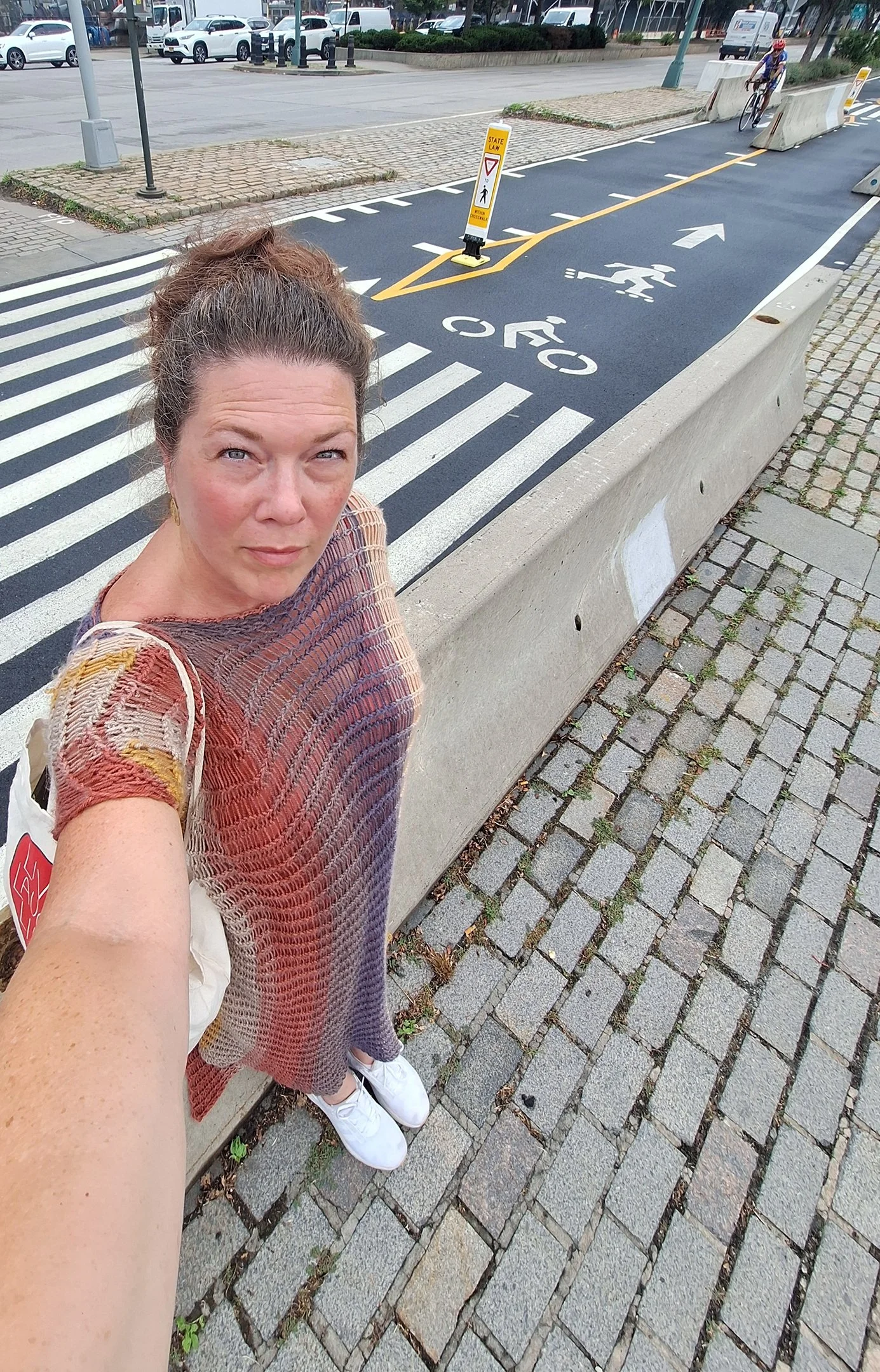
I’m an adult. I’ve learned to cool off before engaging in difficult conversations. This time, I didn’t. I didn’t pause. I didn’t reset. I didn’t even bother checking my face in the mirror.
And this is where shame can actually be useful.
Because when we look at a moment of embarrassment through the lens of who we want to be and realize we’ve fallen short, we’re given a clear place to grow.
But here’s the other side of it.
What stirred my mama bear?
I felt the need to protect children from being shamed. And I believe this deeply: shame is a powerful weapon against a young soul—especially when it’s wielded carelessly.
So I’ll ask you this—
Are there parts of you that still shrink because you were taught to be ashamed of your messiness? Because you were told you were an embarrassment? Because you learned that if you disrupted the room, you risked being pushed out of it?
That kind of shame doesn’t disappear.
It lingers.
It silences your voice.
It teaches you to stay small.
Just be quiet. Let it go.
But if you’ve been here before, you already know where I land on that. If you want something to change—your story, your path, your ending—there are moments when you don’t let it go. Whatever that “it” is for you. For me, that meant making a decision that had the potential to bring even more embarrassment. I sat with it for a full day and asked myself every question:
Am I being too sensitive? Am I overreacting? Am I creating a problem? Am I wrong?
And underneath all of that was the real fear:
What if I am pushed out for this? What if being messy costs me belonging?
Because that’s what shame threatens, isn’t it? Not just discomfort— but disconnection.
And in a digital world, that threat is louder than ever.
We don’t just consider how we show up in a room anymore. We consider how we might look on a neighbor’s camera. In someone else’s video. Through the lens of people we don’t know. Our image of ourselves is no longer fully ours to manage. And that changes us. It makes us second guess. It makes us hesitate. Sometimes it makes us go quiet—when our finer instinct is to act.
So I told my therapist, “I should be embarrassed. I was a mess.”
And she said:
“I see a mom who acted. I see a mom who didn’t stop to fix her hair before showing up for her kid. I see you—being you. And the people who love you will love you. And the people who don’t, won’t.”
And that is sitting with me. Teasing my thoughts.
Because maybe the goal isn’t to avoid being seen in our messiness.
Maybe the goal is to decide what matters enough that we’re willing to be seen anyway.